What we work on
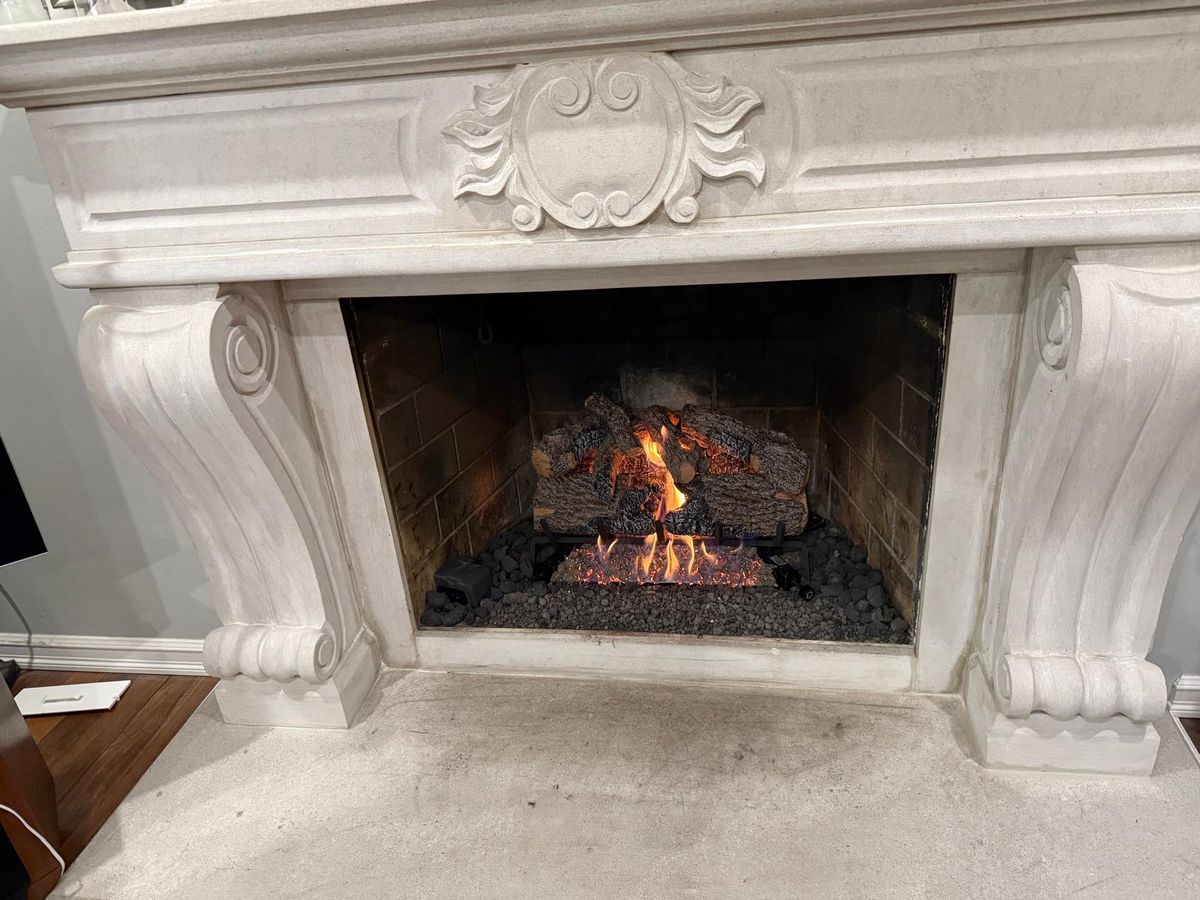
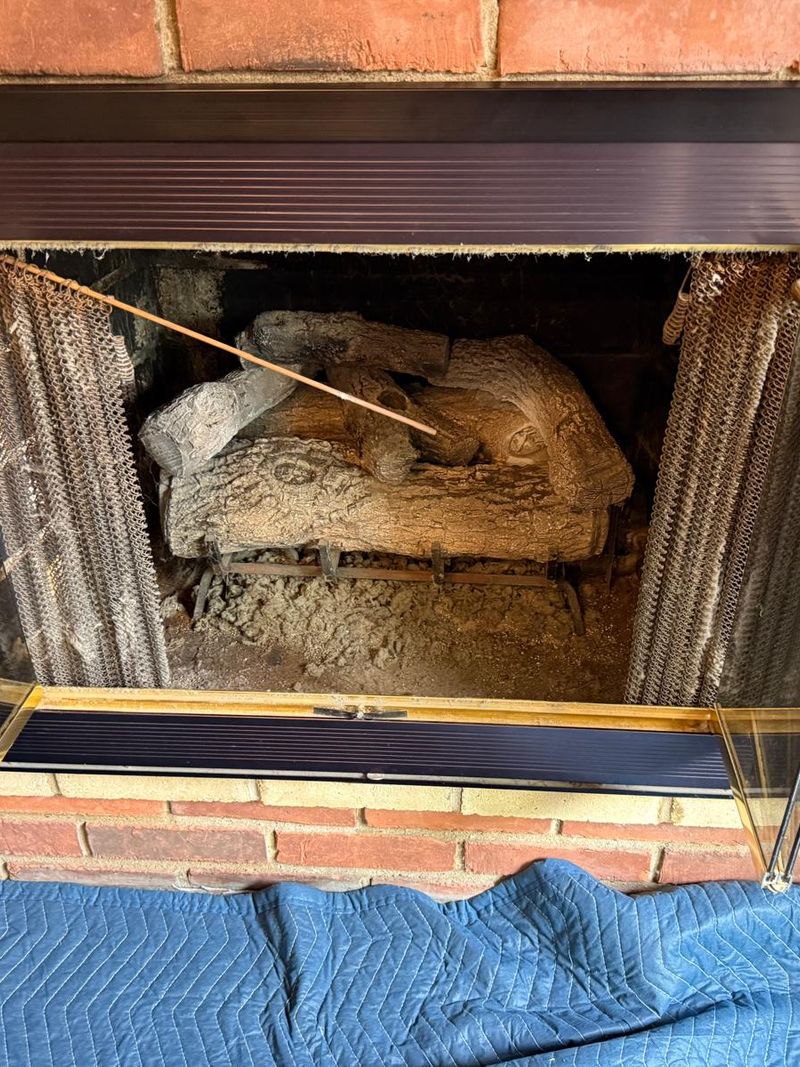
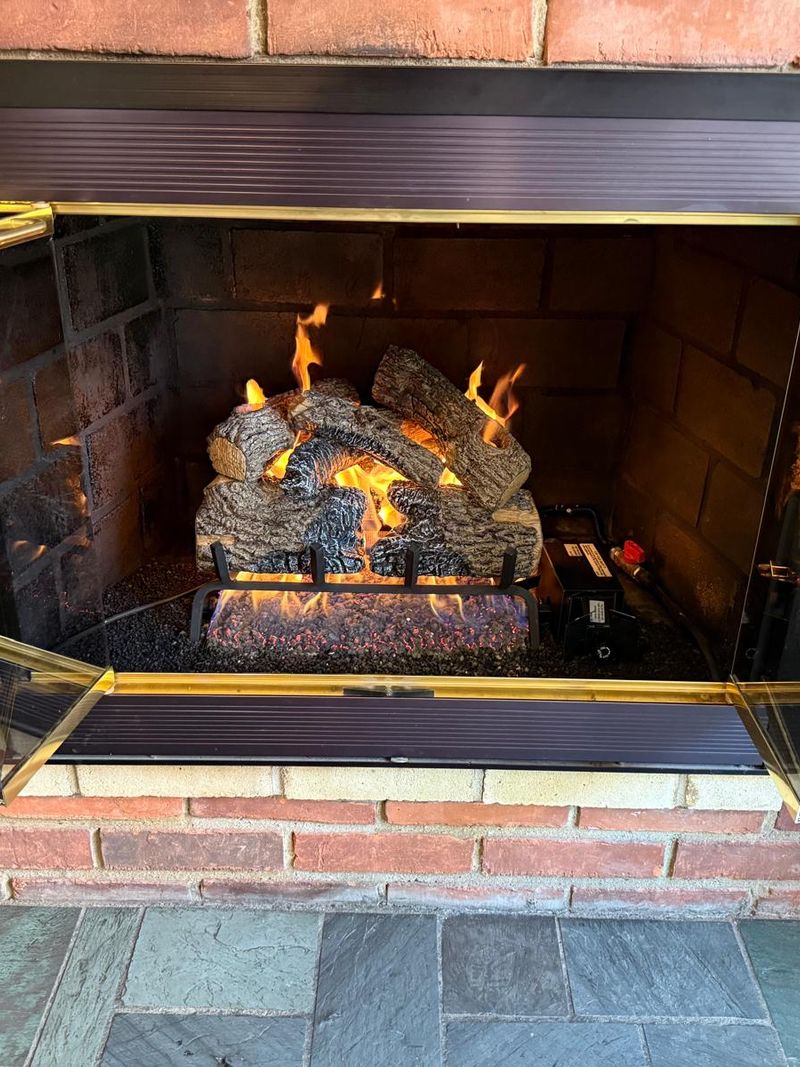
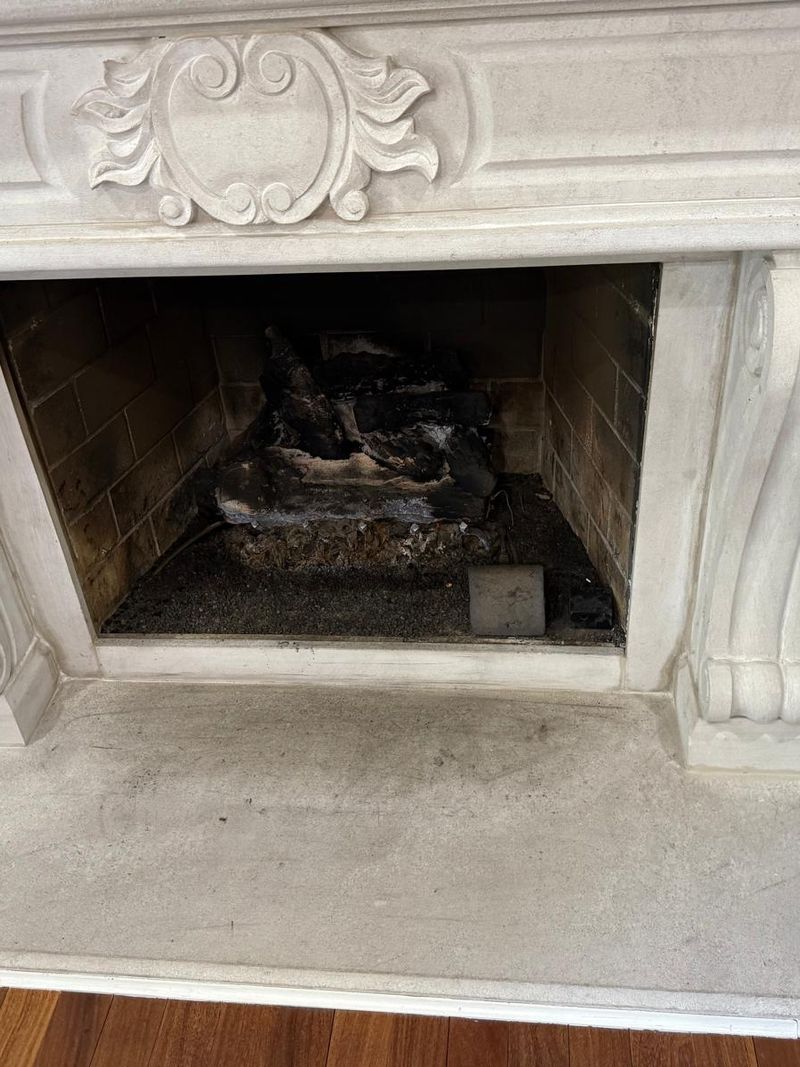
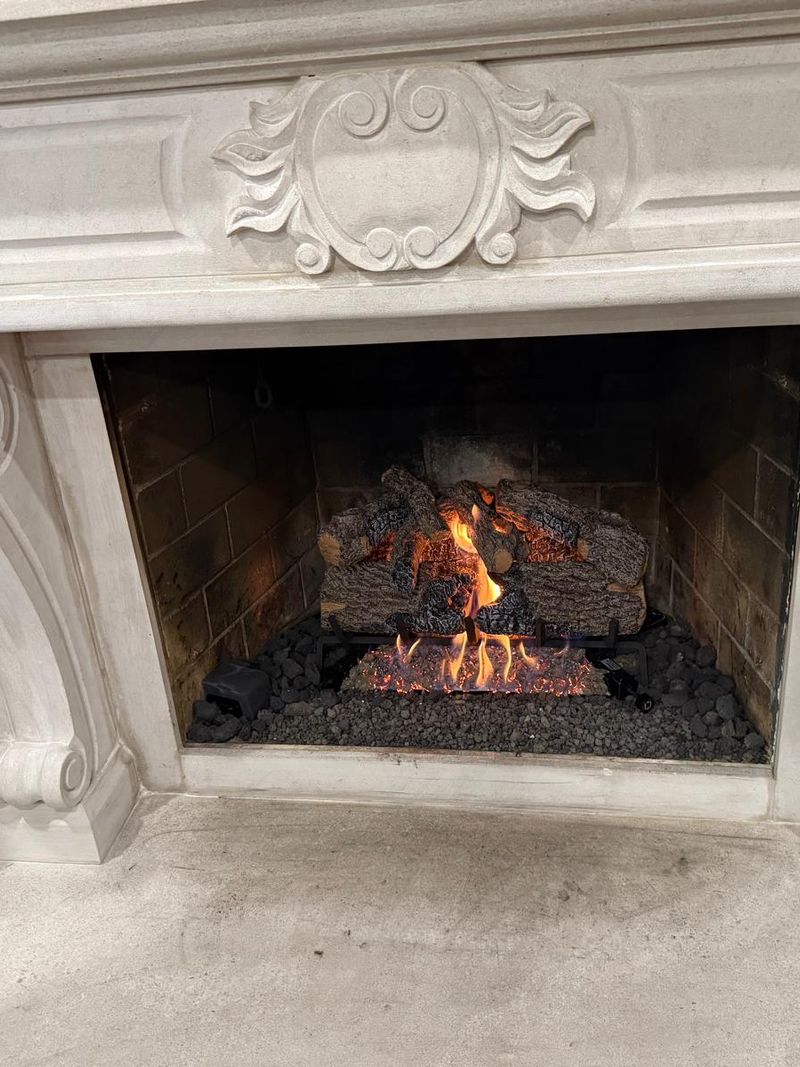
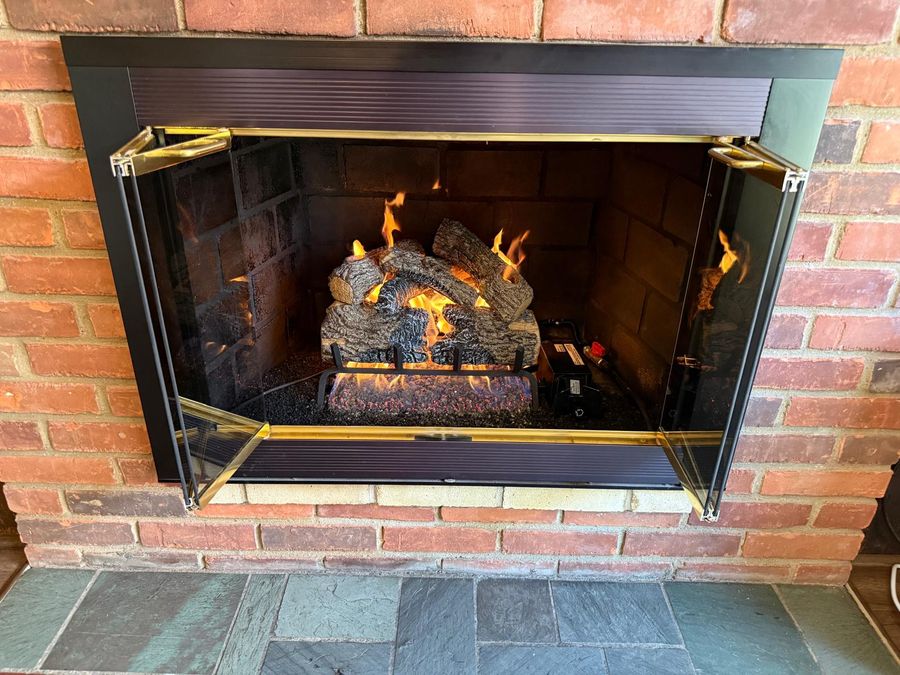
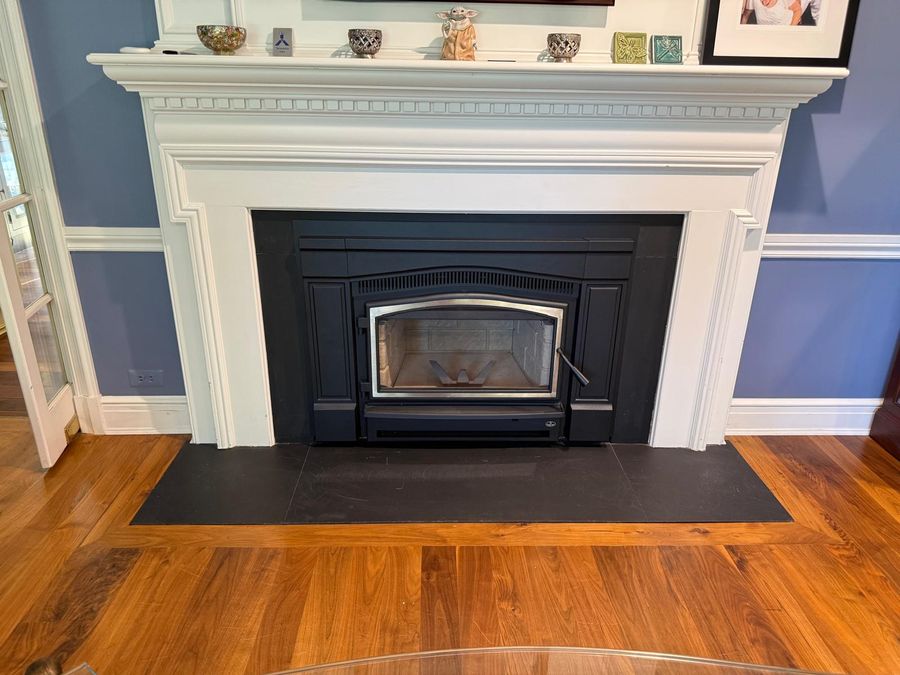
We service three kinds of gas setups. A gas fireplace is a complete unit built into the wall, usually behind a sealed glass front. A gas insert is a gas unit that slides into an old wood-burning fireplace. A gas log set is a burner with ceramic logs sitting in an open masonry fireplace.
We clean and service all three, and we install new gas log sets. We don't run, move or repair gas lines. For gas piping, call a plumber or heating contractor who does gas work.
Signs it's due for service
These are the things people usually mention when they call:
- Black soot on the glass, on the logs, or on the wall or mantel above the opening.
- Flames that have turned lazy and dark orange, or that roll onto the logs and leave black marks where they touch. Log sets are made to burn with some yellow, so the thing to watch for is a change from how it used to look.
- A pilot that won't light, or that goes out as soon as you let go of the knob.
- A burner that lights and then shuts itself off after a few minutes.
- A white or cloudy film on the glass that doesn't wipe off with a damp cloth.
- A smell that hangs around while it runs. A short dusty smell the first time you light it in the fall is common. A rotten-egg smell is different, and it's covered further down.
What a service visit involves
We shut the gas off at the fireplace's own valve and let the unit cool before we open it up. On a glass-front unit the glass comes off first.
The logs or media come out, and we clean the burner and clear its ports so the flame comes out evenly. Then the logs go back in the positions shown in the manufacturer's diagram. Logs set even a little out of place can push the flame into the log, and that's a common source of soot.
We clean the glass with a cleaner made for fireplace glass and check the gasket around the glass frame on sealed units.
The pilot gets the most attention. On most gas fireplaces, the pilot flame heats a thermocouple or a thermopile, which makes a small electrical current. That current keeps the gas valve open. If the pilot goes out, the current stops and the valve shuts the gas off. A dirty pilot or a worn thermocouple is a common reason a pilot won't stay lit, so we clean the pilot assembly and check what it's putting out. We also check the batteries in the remote and the receiver, since dead batteries are behind plenty of no-start calls.
If a part is worn out, we tell you which one and what it costs before anything is replaced.
The vent
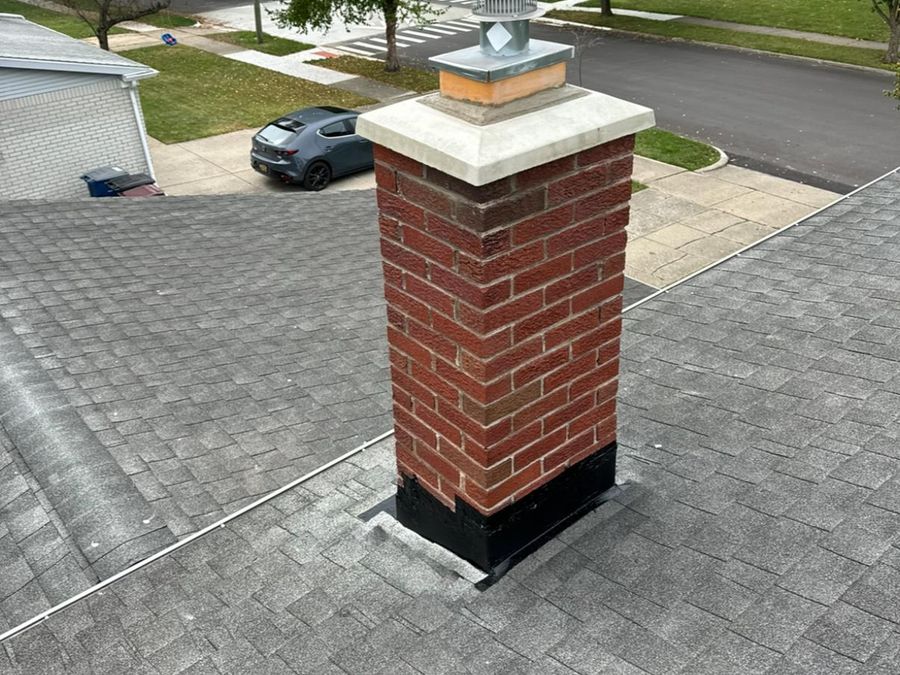
Every vented gas fireplace needs a clear path for exhaust to get outside. A direct-vent unit pipes through the wall or roof to a cap on the outside of the house. Others vent up a metal pipe or an existing masonry chimney.
We look at the vent cap outside for nests, damage, and anything crowding it, like shrubs that have grown in or a deck built after the fireplace went in. For a log set in a masonry fireplace, we check that the damper is open and stays open while the logs burn, the way the log set's instructions call for. If the chimney itself needs work, you'll hear about it along with everything else.
Carbon monoxide
Burning gas can make carbon monoxide. When the vent works, it goes outside. When something blocks or disconnects the vent, it can end up in the house, and you can't see or smell it.
The EPA's Burn Wise guidance says to put carbon monoxide detectors on every floor of the house and outside each bedroom. If an alarm goes off, get everyone out and call 911.
Hot glass
The U.S. Consumer Product Safety Commission warns that the glass fronts of fireplaces can reach 500 degrees or even 1,000 degrees Fahrenheit. The CPSC also notes that starting January 1, 2015, new gas fireplaces and fireplace heaters that vent outside come with a protective barrier, and it tells owners of older units to buy a retrofit barrier. If there are small children in the house, ask us to look at whether yours has one.
If you smell gas
Leave the house right away. Don't flip light switches, use the phone, or try to shut anything off on the way out. Once you're outside and away from the smell, call 911 and then your gas utility: DTE at 800-947-5000 or Consumers Energy at 800-477-5050. Don't go back in until the utility says it's safe.
A gas leak isn't a fireplace service call. Once the utility has cleared it, call us and we'll set up a visit.
How often
NFPA 211, the chimney standard most inspectors work from, says chimneys, fireplaces and vents should be inspected at least once a year. The Chimney Safety Institute of America also tells homeowners to schedule a yearly inspection for gas-burning chimneys. Your owner's manual will say how often the maker wants the unit serviced, too.
For most people that means one visit a year, ideally in late summer or early fall, before the first cold week when everyone else calls.