
Guide
Level 1, 2 or 3 chimney inspection: which one you need
Most homes need a Level 1 every year. A home sale, a new heating appliance or a chimney fire calls for a Level 2. A Level 3 only comes up when an earlier inspection points to a hidden problem.
By Moses Chimney. Updated .
Where the levels come from
The three levels come from NFPA 211, the chimney standard most inspectors work from. Each level covers more of the chimney than the one before it.
| Level | What it covers | When it's called for |
|---|---|---|
| Level 1 | The firebox, the flue, the outside of the chimney and the connection to the appliance, where they can be reached without special tools | A yearly check when nothing about the system has changed |
| Level 2 | Everything in a Level 1, plus the chimney in the attic, basement and crawl spaces, and a camera through the flue | A home sale, a new appliance or fuel, a relined flue, or damage from a chimney fire or storm |
| Level 3 | Concealed parts of the chimney, which can mean opening a wall or taking part of the chimney apart | When a Level 1 or Level 2 points to a hidden problem |
Level 1: the yearly inspection
A Level 1 covers the parts of the chimney and fireplace that can be reached without special tools or removing anything: the firebox, the flue, the outside of the chimney and the connection to the appliance.
It's the right inspection when the chimney is easy to get to and you plan to keep using it the way you have been. Our standard $49 chimney inspection is a Level 1.
Level 2: after a change, a sale or a chimney fire
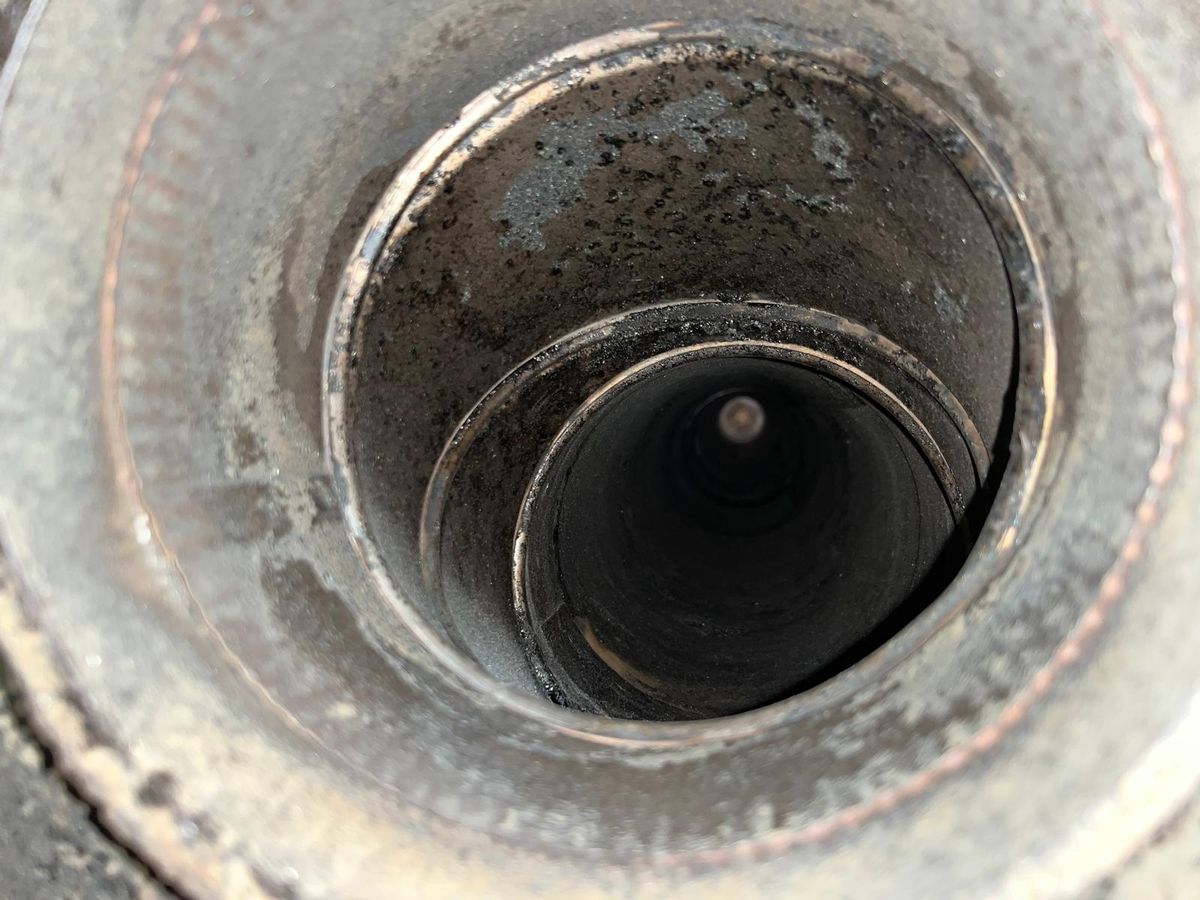
A Level 2 is everything in a Level 1, plus the chimney areas in the attic, basement and crawl spaces, and a camera inspection of the inside of the flue.
The Chimney Safety Institute of America lists these as the times to get one:
- You add or replace a heating appliance, change the fuel, such as switching a fireplace from wood to gas, or reline the flue.
- The house is being sold or transferred.
- Something has happened that could have damaged the chimney, such as a chimney fire or a storm.
After a chimney fire, don't use the fireplace again until the chimney has been swept and checked.
Level 3: when the problem is hidden
A Level 3 is for when a Level 1 or Level 2 points to a serious problem that can't be confirmed without getting into concealed parts of the chimney. That can mean opening a wall or taking apart part of the chimney or the house to see it.
Buying or selling a house
A general home inspection won't cover the inside of the chimney. The InterNACHI standards of practice, which many home inspectors follow, don't require them to inspect the flue or the inside of a chimney.
Michigan law doesn't require a chimney inspection when a house is sold. The seller's disclosure statement asks about the fireplace and chimney, but the form itself says it isn't a substitute for an inspection.
If you're buying, call early in your inspection period to book a Level 2 chimney inspection. That leaves time to get anything it finds priced before you negotiate. If you're selling, a Level 2 before you list means the chimney is one less thing to come up late in the sale.
More guides
How often should a chimney be cleaned?
Why the standard is a yearly inspection, when a chimney actually needs sweeping, and what to check before your first fire.
Leak around the chimney: call a roofer or a chimney company?
Where chimney leaks start, which ones a roofer handles, and which ones need a chimney company.
White stains and crumbling brick on your chimney
What white stains and flaking brick on a chimney tell you, and why sealing the brick usually isn't the fix.
Rusted chase cover or missing chimney cap
What rust streaks under a chimney mean, why chase covers rust, and when a cap or cover needs replacing.
Book an inspection or cleaning
Pick a day and a 3-hour arrival window online. If you'd rather talk it through, call (248) 266-9991.