
Guide
How often should a chimney be cleaned?
Inspect it every year, and clean it when the inspection says it needs it. That's what the chimney standard calls for. How often that works out to depends mostly on what you burn and how much you burn it.
By Moses Chimney. Updated .
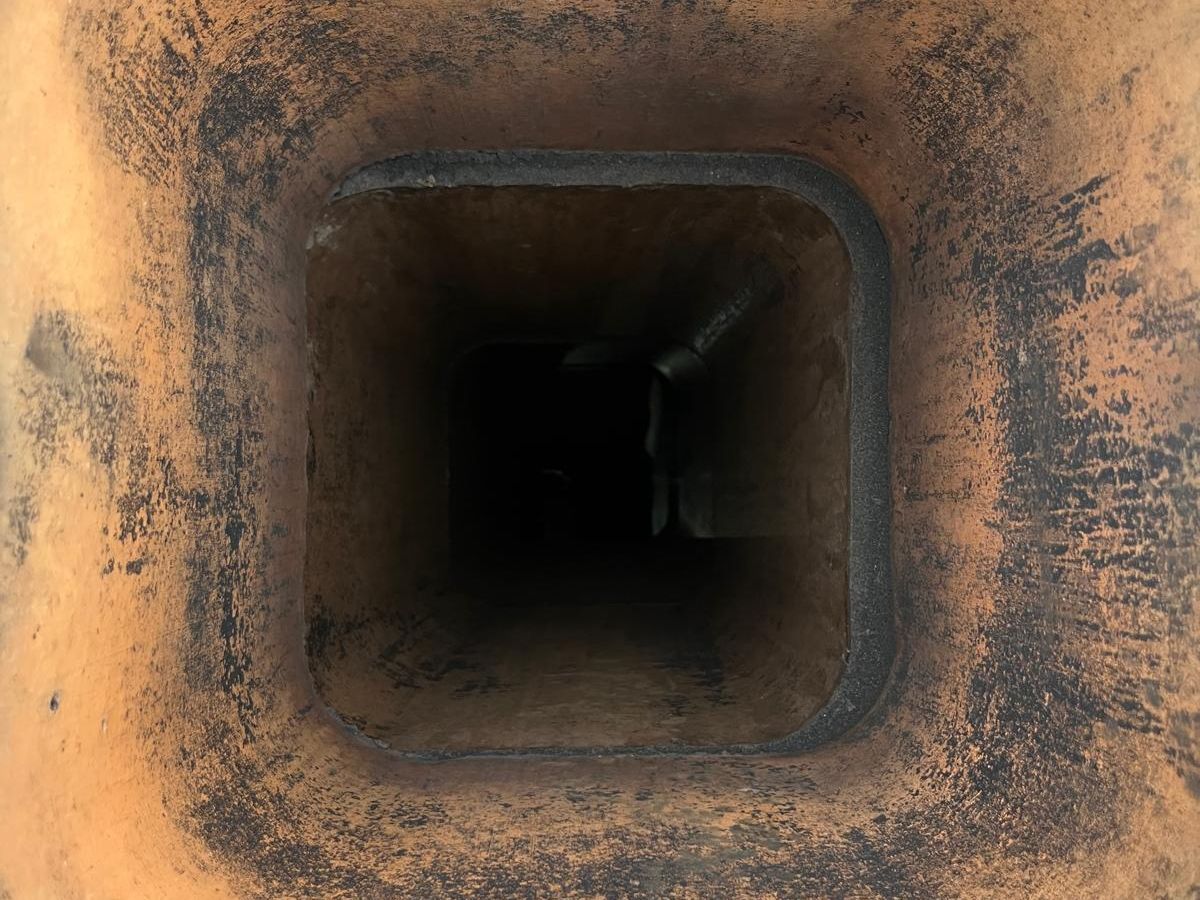
Inspect every year, sweep when it's needed
NFPA 211, the chimney standard most inspectors work from, says chimneys, fireplaces and vents should be inspected at least once a year, with cleaning and repairs done when they're needed. The U.S. Fire Administration and the EPA give homeowners the same advice: have a professional look at it every year.
So the yearly visit is a check. Whether the chimney also needs sweeping depends on what that check finds.
When a chimney needs sweeping
Every wood fire leaves soot and creosote on the flue walls. The Chimney Safety Institute of America recommends sweeping a masonry fireplace at an eighth of an inch of sooty buildup, and sooner if there's any glaze in the chimney. A factory-built fireplace should be swept when there's any noticeable buildup.
Creosote burns. The more of it there is in the flue, the more there is to catch fire.
Creosote sweeping logs and other chemical cleaners don't take the place of a sweep. The Chimney Safety Institute of America's advice is that if you use them, you still keep the yearly inspection and have the chimney professionally cleaned as needed.
What changes how fast it builds up
Creosote builds up faster when the fire doesn't get enough air, when the wood is wet or green, and when the chimney runs cooler than it should. That's why two houses with the same fireplace can be on very different schedules.
Wood fireplaces, stoves and inserts
If you burn wood most nights through the winter, expect the yearly inspection to find enough buildup to sweep. If you light a handful of fires a year, the chimney can often go longer between sweeps.
Dry wood makes a real difference. The EPA says wood burns best when its moisture content is below 20 percent, and that firewood should be seasoned for at least six months.
Gas fireplaces and gas furnaces
Gas doesn't leave creosote, but the chimney still needs its yearly inspection. Bird nests and other debris can block the flue. A blocked flue can send exhaust back into the house.
Oil furnaces and boilers
The yearly inspection applies to oil-fired chimneys too. The standard covers every chimney and vent, whatever the fuel.
Before your first fire of the season
A few checks are yours to do. The rest is what the inspection is for.
- Test your smoke and carbon monoxide alarms.
- Open the damper and shine a flashlight up the flue. If you see a nest, a pile of debris or pieces of broken tile, don't light a fire.
- Look at the chimney from the yard. A leaning chimney, missing brick or bricks on the roof is a reason to call before you use it.
- Book the inspection before the first cold week. That's when everyone else calls.
If you've had a chimney fire, don't use the fireplace again until the chimney has been swept and checked.
Our chimney cleaning comes with an inspection on the same visit, so you find out how much buildup there was and what shape the chimney is in. If you'd rather start with the inspection, that's $49.
More guides
Leak around the chimney: call a roofer or a chimney company?
Where chimney leaks start, which ones a roofer handles, and which ones need a chimney company.
White stains and crumbling brick on your chimney
What white stains and flaking brick on a chimney tell you, and why sealing the brick usually isn't the fix.
Level 1, 2 or 3 chimney inspection: which one you need
What each inspection level covers, when you need a Level 2, and what a regular home inspection leaves out.
Rusted chase cover or missing chimney cap
What rust streaks under a chimney mean, why chase covers rust, and when a cap or cover needs replacing.
Book an inspection or cleaning
Pick a day and a 3-hour arrival window online. If you'd rather talk it through, call (248) 266-9991.